


At the end of October 2026, numerous German public authorities, local councils and companies took their websites offline. This was triggered by two critical security vulnerabilities in PHP, a programming language on which many digital services rely, such as websites built with WordPress, online shops using Shopware or portals built with TYPO3. The two vulnerabilities became known as PHP2Shell.
Attackers were able to execute malicious code on servers without requiring any login credentials. The PHP project released security updates – and for many operators, this was when the real work began: they had to identify the affected systems, assess the impact of the updates on existing applications and patch the vulnerabilities.
PHP2Shell thus highlights a fundamental challenge in cyber security. How quickly an organisation can respond to a critical vulnerability is often determined long before it is discovered. And the root causes lie deep within the architecture of IT environments.
PHP has been part of the technical foundation of the internet for decades. The programming language was originally developed in 1994 by the Danish-Canadian developer Rasmus Lerdorf for his personal website. Today, the freely available open-source software is maintained by an international community of developers, supported by the PHP Foundation, which, amongst other things, funds developers.
PHP processes requests on web servers and forms the basis of numerous websites, online shops and specialist applications. It usually operates invisibly in the background. This is precisely what made PHP2Shell so explosive.
Put simply, a manipulated web request could cause PHP to enter an error state. Attackers could exploit these errors to execute their own programme code on the server.
What was particularly critical was that, in certain configurations, a standard web request was sufficient. On Apache web servers using the PHP module mod_php, an attack could even take place before the actual web application had started.
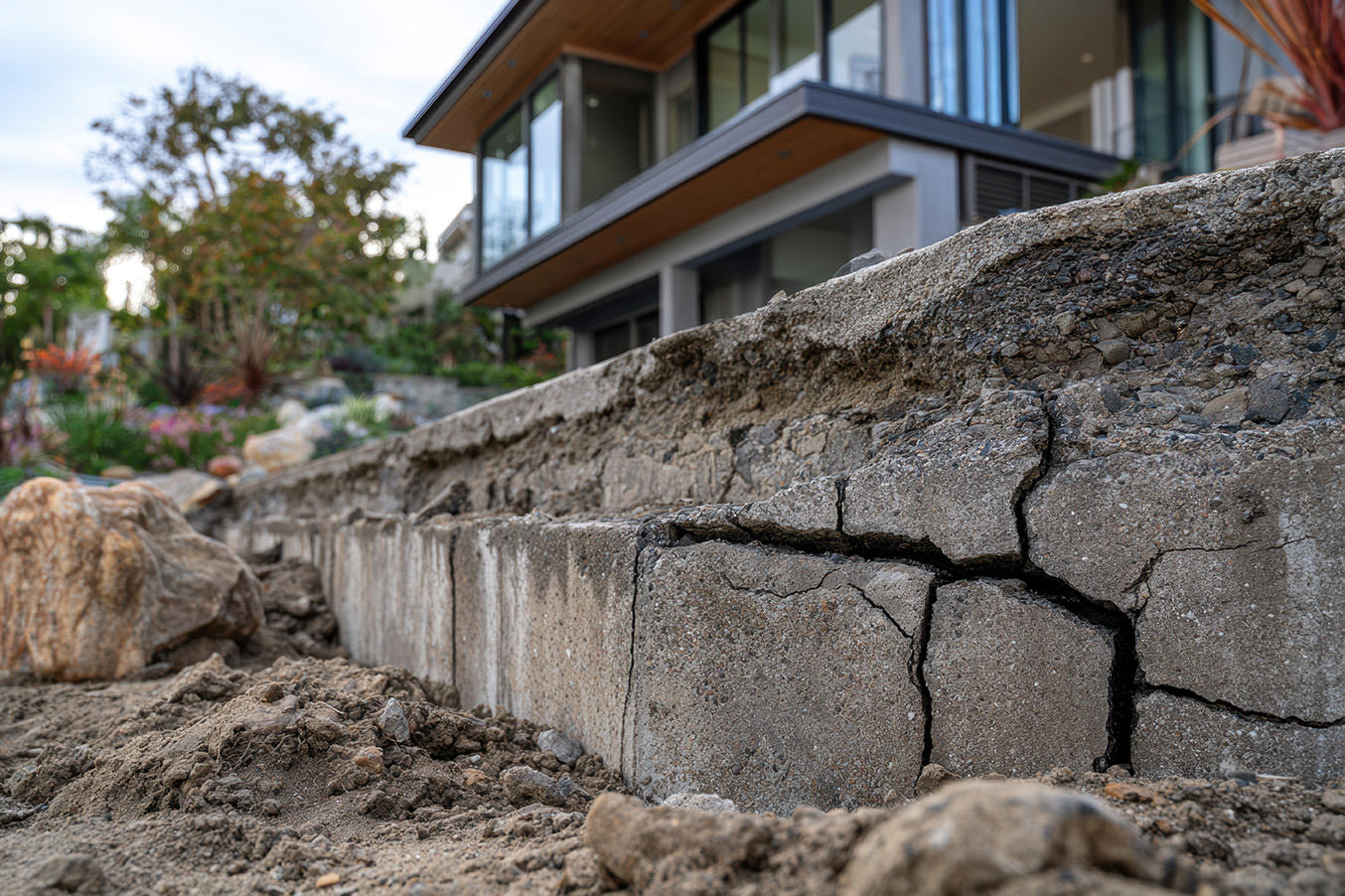
The vulnerabilities affected PHP itself. This meant that even websites with a fully updated WordPress installation could be vulnerable. They were, in a sense, like a sturdy house built on unstable ground: the application functioned perfectly, whilst the PHP version on the server remained vulnerable. An update to WordPress alone therefore did not provide sufficient protection.
For website operators, this meant that even without any indication of a specific attack, they had to check whether their websites were running on a vulnerable version of PHP and, if necessary, take the affected services offline as a precaution.
Nevertheless, on 23 October, the German Federal Government stated that the Federal Office for Information Security (BSI) had, at that time, received no reports of successfully compromised systems within the federal administration or the regulated sector. Internationally, however, successful exploits had been confirmed. On 26 October, the US Cybersecurity and Infrastructure Security Agency (CISA) added both vulnerabilities to its catalogue of confirmed security breaches.
“This incident shows that a functioning system is not necessarily a secure system,”
says Robert Stricker, Vice President at Materna and responsible for the Cyber Security division. It is crucial, he adds, that companies and public authorities are familiar with their IT landscape.
“If, when faced with a critical vulnerability, you first have to find out where the affected component is actually being used, you lose valuable time,”
says Stricker. Transparency is therefore an essential prerequisite for identifying security risks at an early stage and being able to react quickly in an emergency.
For IT managers, this means, first and foremost, mapping their systems down to component level. Which version of PHP is running on which server? Which business applications access it? And where might PHP be embedded in third-party software? A Software Bill of Materials (SBOM) – that is, a structured list of a software’s components – helps to make such dependencies visible. Combined with up-to-date information on versions, deployment locations and the relevant contact persons, affected systems can be identified more quickly and measures prioritised.
In the case of PHP2Shell, the widespread use of the programming language made the search particularly difficult. PHP is also found in management interfaces for network devices, containers and off-the-shelf software products. With such solutions, operators can often only replace the vulnerable component via an update from the manufacturer.
Those affected must therefore be aware of their suppliers and know how quickly they can provide security updates. This applies particularly to older systems. There are no longer any official security updates available for PHP versions that are no longer under regular support. In such cases, operators must rely on specific vendor patches or migrate the software to a supported version.
The fix for PHP2Shell was delayed, amongst other reasons, because potential fixes threatened the compatibility of existing applications. This is because older specialist applications, in particular, often rely on specific software versions. An update may impair their functionality or alter interfaces.
Companies and public authorities should therefore regularly check whether their applications work with the latest software versions. Equally important are clear lines of responsibility and pre-defined procedures for urgent security updates. In an emergency, it must be clear who initiates, tests and approves the update.
However, an update alone is not enough. System administrators must ensure that the updated software is actually running on their systems. In the case of containers, for example, a new image may be required. Old PHP processes must first be terminated so that they no longer execute vulnerable code.
Furthermore, organisations should check whether attackers have already exploited the security vulnerabilities. This involves analysing server logs and searching for suspicious changes. If there are indications of a compromise, further measures – including rebuilding affected systems – may be necessary.
Finally, a plan is needed in the event that a vulnerable service cannot be operated securely for a temporary period. The shutdowns resulting from PHP2Shell have shown how quickly online services can go offline for security reasons. For critical processes, therefore, alternative access routes, clear communication procedures and protocols for restarting the system should be in place.
“The key lesson from PHP2Shell is that cyber security must begin long before the next security vulnerability arises,”
says Robert Stricker. IT architectures should therefore be designed in such a way that components can be replaced in a controlled manner and updates can be applied quickly. The short-term shutdown of compromised websites should also be included in emergency management plans.
“The ability to respond to new threats is one of the most important characteristics of a resilient IT system today,”
says Stricker.